
There is certainly a particular sense of cartoonish charm about the adventures of the Straw Hat Pirates in live-action. As someone who grew up watching all kinds of Cartoon Network programming and a gazillion different Digimon anime, I still want my childlike proclivities for Saturday cartoons to be fulfilled, and therefore, I really do appreciate this quality in the live-action reimagining of Oda-sensei’s best-seller.
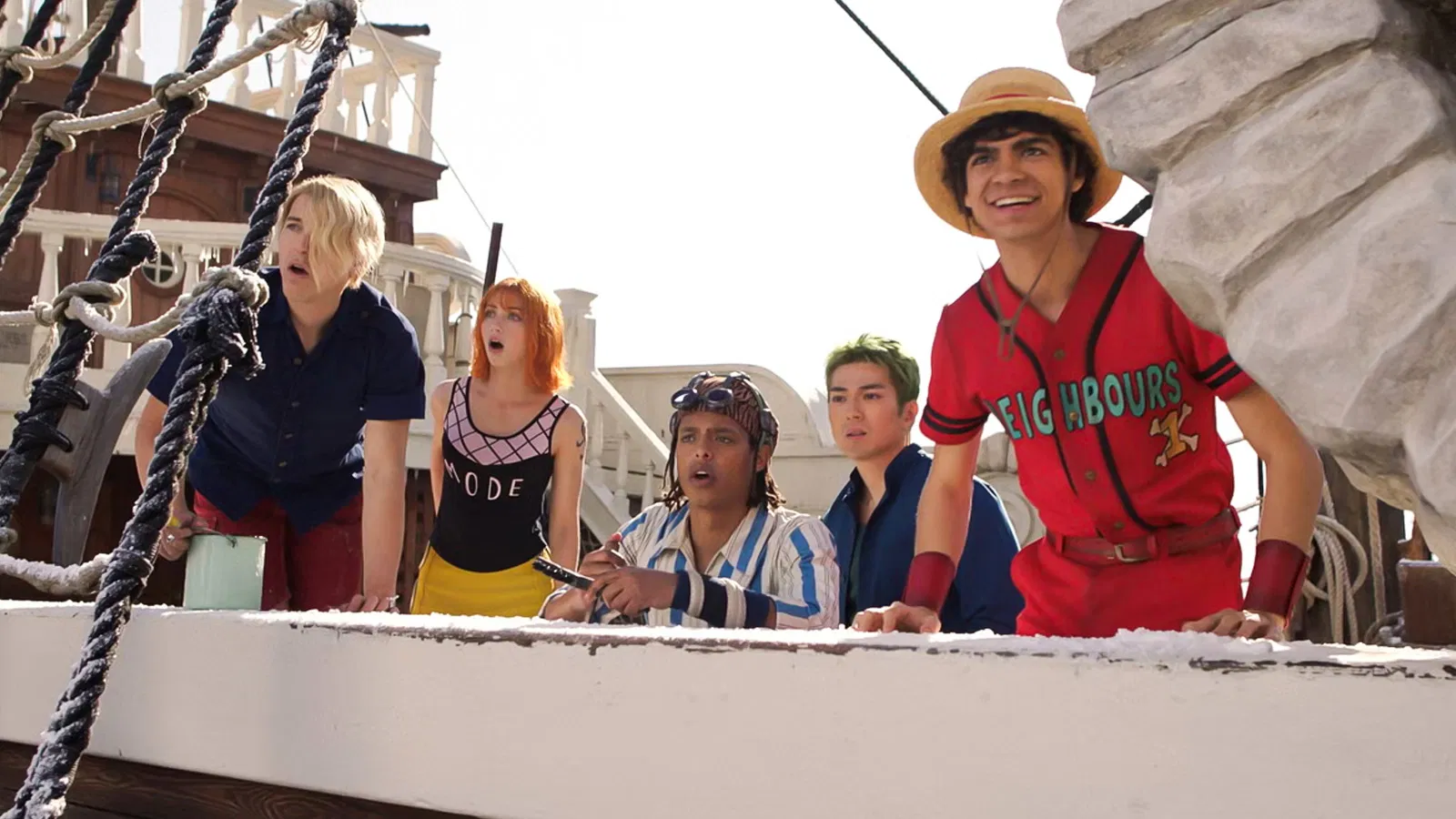
The show also understands that, at its core, the best parts of this Netflix adaptation so far have been its oddball cast of characters and their vivacious chemistry. Season 2 gives each of them not only plenty of time to grow but also makes them stand out when in the spotlight.
While Season 1 of One Piece was mostly setting the stage in terms of its story, the show’s sophomore outing does narratively take significant strides forward, already giving you a hint of just how grand and capacious the lore of the source material is; you really cannot help but get sucked into its intriguing and inimitable world-building.
Each episode of Season 2 adapts a single arc from the original manga, turning every island the Straw Hats visit into its own self-contained adventure, at least until the story delves into the more serial aspect of the prologue of the Alabasta saga in the latter half of the season. Along the way, Luffy and his crew encounter increasingly strange worlds: an island with giants and dinosaurs, an island full of Baroque Works agents (this saga’s main antagonists), and the island that is the birthplace of Gol D. Roger, the original King of the Pirates.
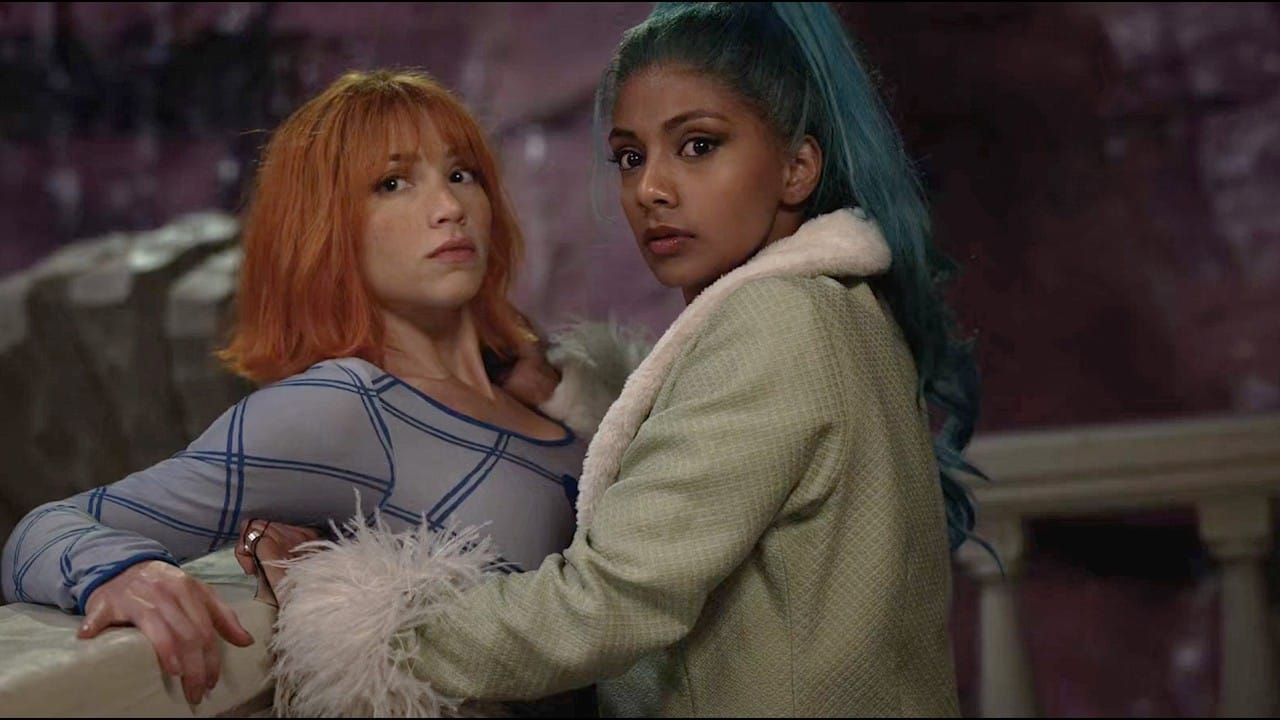
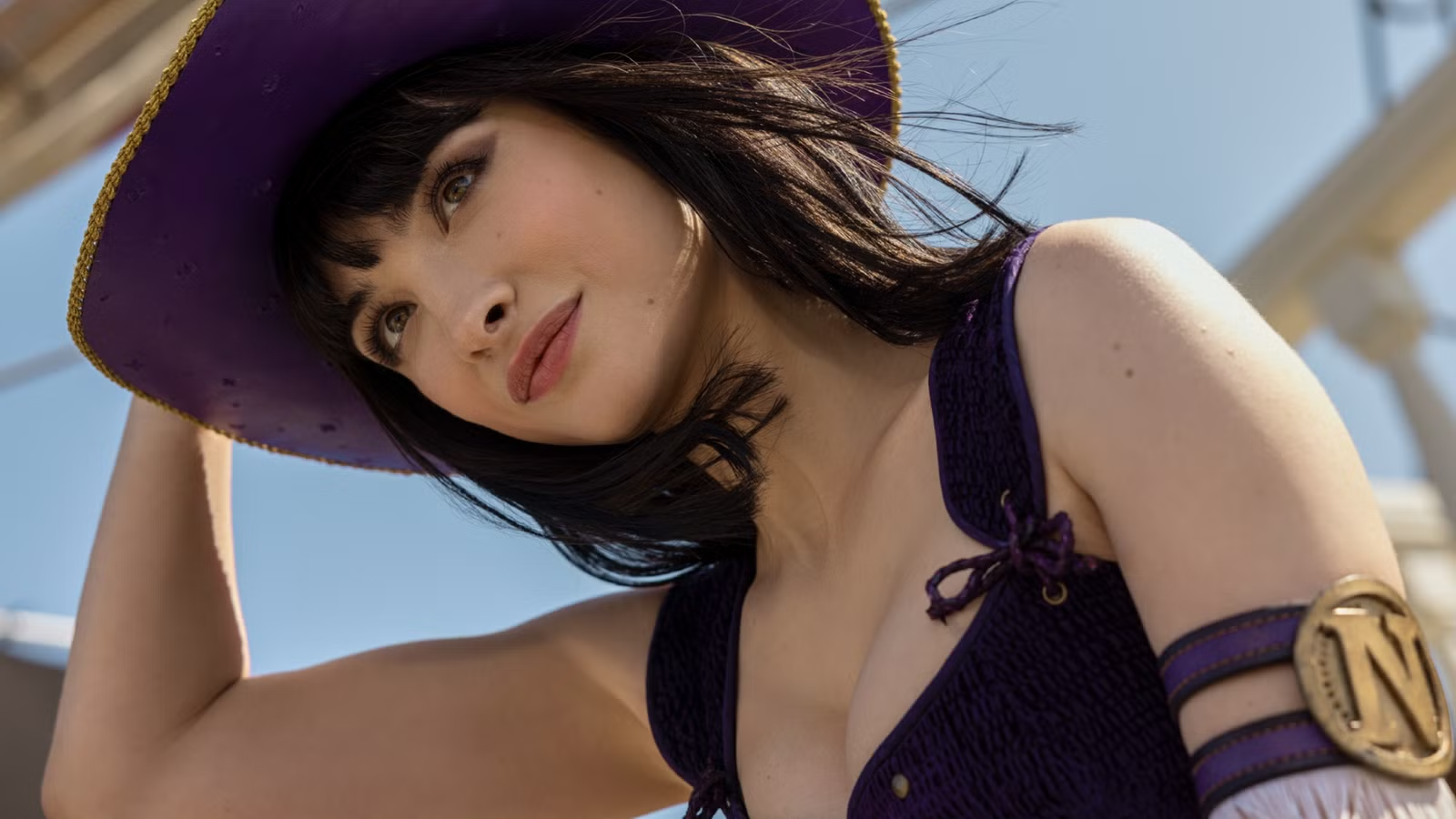
For the most part, the casting for the Baroque Works agents is pretty inspired, with Charithra Chandran, who plays Miss Wednesday; David Dastmalchian, who brings his usual unsettling presence to Mr. 3; and Lera Abova, who plays Nico Robin, all feeling very much like they jumped out of the anime. Others might not feel as memorable as they are, but there is still a sense of benevolent absurdity, and it is enough to make you feel amused and sell you on Baroque Works.
In Season 2, One Piece fully morphs into its stylistic silliness, which is spiritually campy, occasionally cringey, and sometimes pretty freaking cool. There will be times throughout the season where you will find yourself rolling your eyes, but it is mostly in good spirits, and the world kind of needs that spirit and heart, so it largely works. Meanwhile, the epic score composed by Sonya Belousova and Giona Ostinelli has been the most cinematic part of this live-action adaptation so far and really gives you a sense of the grandeur of this adventure, more so than the visuals on screen do.
While One Piece shines in those aspects and is at its best when it comes to the power of friendship brought to life by its exceptional cast, it is hard to overlook that there is something off-putting about the show aesthetically. The mood of the source material is often vibrant, full of energy, and quite zany, and the live-action rather feels quite dull and incongruously uninspired in contrast.
Season 2 is definitely a commendable improvement over Season 1, but for a show that reportedly costs $20 million per episode, there seems to be something weird about how it’s spending that money? Or maybe it needs a lot more than the budget it currently has.
It feels hard to gloss over how flat and occasionally cheap some of these visuals look for eight continuous episodes. I cannot help but wonder if this show were on HBO or Apple TV+, it would probably not look this dull. The Last of Us costs less than what One Piece costs to produce, and for whatever your problem may be with that zombie adaptation, it at least looks cinematic and grand in scale.
Much of the whimsical magic of Oda’s candy-colored and vibrant universe got lost in translation, making the result feel less like prestige television and more like an odd mash-up of Pirates of the Caribbean and a Disney Channel Original.
I have also not been able to understand the show’s tone; sometimes I feel in sync with it, but at other times I am rather bemused by it and out of touch with its emotional beats.
The action is pretty solid this season, but the violence and chaos feel rather tame. The humor, on the other hand, feels much more akin to Marvel films, and I feel like the source material is probably able to land these beats that are making me disconnected from this show in a much more meaningful and nuanced way.
There are a great deal of easter eggs for future storylines for the fans of the source material in this season as well, and I am sure that those references are fun for One Piece fans. Still, I am confounded by just how much time the show spends on the kind of stuff that I am told is not going to be taking place for a while, instead of trying to engage you with or give you actual reasons to care about the politics of Alabasta or what the Marines are about in any manner that feels significant.
For now, the One Piece live-action feels less like something that stands out as great television on its own and more like a show that simply makes you go, “If this is fun, I wonder just how good the original source material is.”