
Over the past 24 hours, social media has been flooded with frustration from Marvel fans after a leaked teaser for Avengers: Doomsday suggested the next Avengers film will once again center on the franchise’s original “Big Three” — Iron Man, Captain America, and Thor — rather than the newer batch of characters Marvel has spent years introducing.
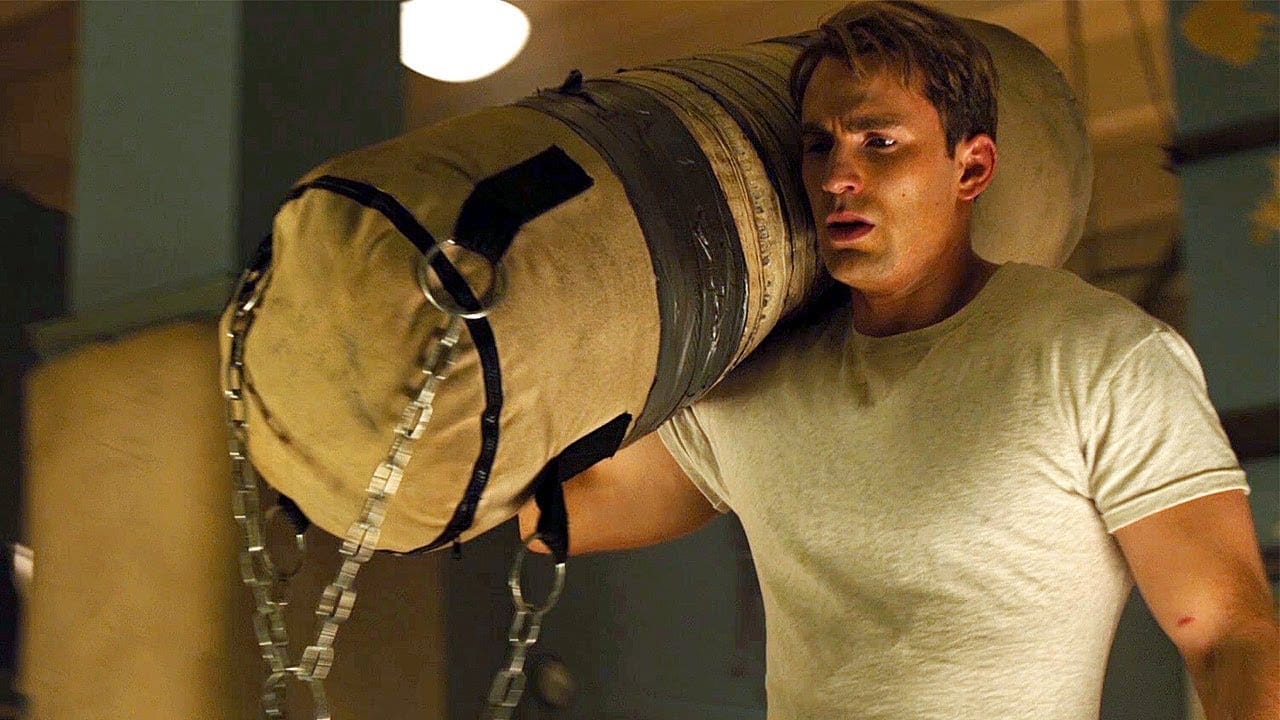
Fans have been questioning the point of all that setup if the payoff is another lap with the old heroes?
The frustration is certainly understandable. Marvel has devoted an entire saga to passing the torch. The fans have seen hours worth of television and films in the lead-up to Sam rightfully earning the shield. Florence Pugh’s Yelena has gained a devoted fanbase as the Black Widow successor. And, Doom is Reed Richards’ archnemesis after all; if anything, this saga should have revolved around him rather than giving him only one movie’s worth of buildup, and Doom and Reed not even clashing till the actual Avengers film, where the former is a multiversal threat.
Marvel focusing on the Big 3 from the previous Saga instead of the characters they've been building up the last 5-6 years shows everything wrong with Doomsday btw
— THE T'Challa Stan (@TChalla_1966) December 15, 2025
how do you finally have the xmen thunderbolts f4 and avengers together and make doomsday about the big 3?!?! pic.twitter.com/oWM8EULDEh
— becca ➃ (@thesueprint) December 15, 2025
But the studio appears to be retreating to what it knows, and while it creatively feels like a step back, that retreat, however, isn’t driven by nostalgia alone. It’s driven by numbers.
avengers doomsday pic.twitter.com/HqE9T4UHVB
— jolt (@meltborne) December 15, 2025
It is VERY EASY to choose a lead for Avengers: Doomsday. Yet they chose to make it a character who got the PERFECT ending 6 years ago. pic.twitter.com/kra1x0EIxO
— Perk (@PerkzParker) December 15, 2025
Post-Endgame and especially post-pandemic, Marvel has struggled to create reliable box office draws. Ant-Man and the Wasp: Quantumania underperformed. The Marvels collapsed.
The studio’s entire slate this year has only managed to deliver modest grosses that look increasingly shaky once budgets are factored in. Captain America: Brave New World finished its run at $415 million worldwide against a reported $180 million production budget, a figure that leaves little room for profit after marketing and exhibitor cuts.
Thunderbolts fared even worse, pulling in roughly $380 million on a similar $180 million budget. Even Fantastic Four, the year’s MCU tentpole and the strongest performer, topped out at $521 million globally on a budget said to be north of $200 million, a result that would have been respectable a decade ago but now underscores how far the studio’s box office floor has fallen.
This year was also the first time since 2012 that a Marvel film failed to hit the coveted $300 million mark domestically.
Both Thunderbolts and Fantastic Four drew positive reception from critics and fans alike, but they have just not managed to convince casual audiences to show up in meaningful numbers.
Reed Richards may dominate comic discourse, but he is not much of a box office draw, despite being played by Pedro Pascal. My friend, who has not followed the MCU that religiously since Endgame, was utterly confused by the cast of characters on Thunderbolts, and Sam Wilson’s Captain America has yet to prove he can anchor a billion-dollar event.
Chris Evans’ Steve Rogers, on the other hand, doesn’t need convincing. His return all but guarantees attention, headlines, and crucially, the kind of huge opening weekend turnout Marvel relies on, not just from the loyal MCU fans, but even the casual moviegoer, both domestically and from overseas, who have not been keeping up with the Marvel universe as of late.
And that’s the part fans don’t want to hear: Disney doesn’t care who should be the face of the franchise. It cares about who fills seats.
Marvel may still believe in its new characters. But when the financial pressure mounts, belief takes a back seat to bankability. The Big Three aren’t coming back because the story demands it; they’re coming back because the box office does. The studio wants a big win, not another middling box office success.