
A few years ago, the violinist Tasmin Little tweeted that she had earned £12.34 from Spotify for 6 months for around 5-6 million streams. For artists like her and smaller bands, if a record sells for about £20, they receive 10-15 percent of the sale price, which is often the difference between making a profit or not.
For smaller independent artists, the vinyl boom was supposed to be a lifeline, helping to offset a plunge in CD sales and downloads. Instead, it has become another expertly marketed gimmick where already rich pop stars utilize strategic manufactured scarcity to squeeze more money from their fans.
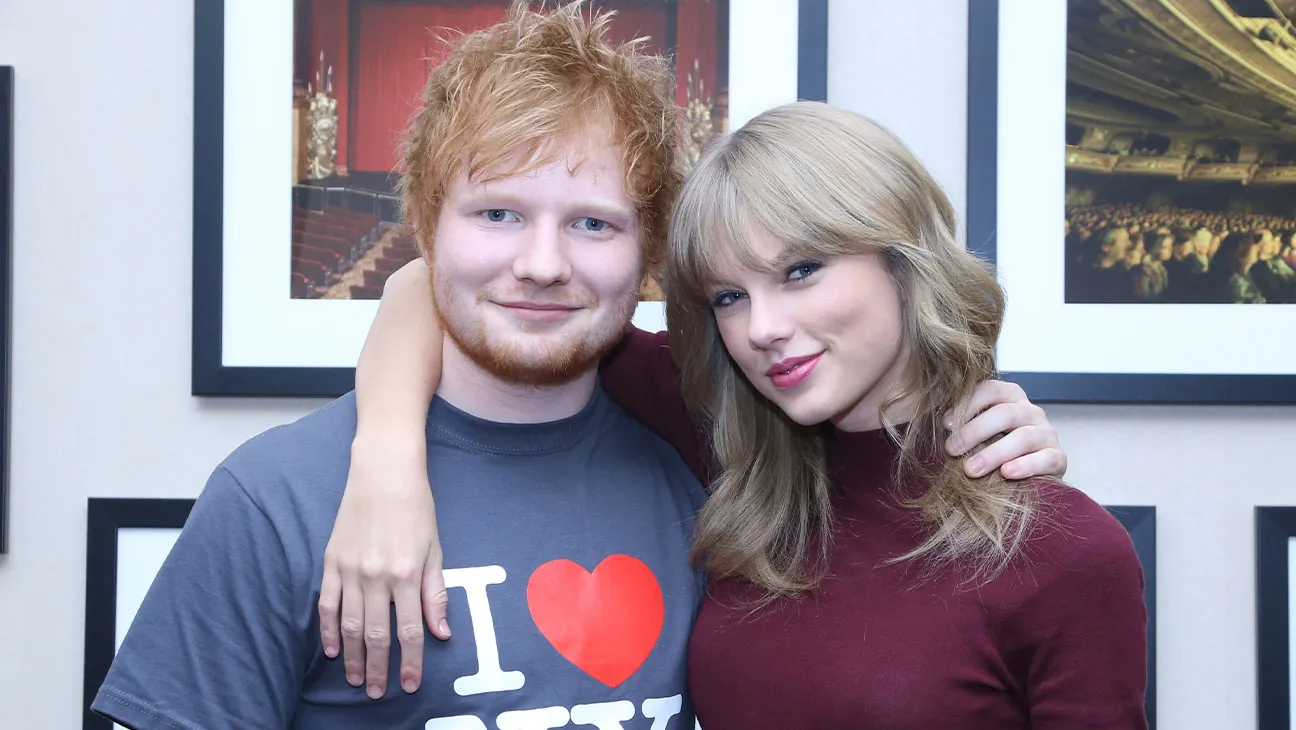
At the center of the debate is the explosion of album variants. Multiple colored pressings, alternate covers, bonus tracks, staggered preorders, and “limited” editions have become standard practice for major pop acts. Taylor Swift’s recent release strategies—spanning vinyl, CD, cassette, and digital variants—are the most visible example of what critics describe as the gamification of music consumption. Fans aren’t just buying albums anymore; they’re completing sets.
“You don’t need to buy it,” fans often say in defense of their favorite artists. But artists don’t need to sell it either. Billie Eilish, speaking to Billboard last year, called the practice “wasteful,” criticizing the industry for encouraging overconsumption under the guise of fandom. “Some of the biggest artists in the world are making 40 different vinyl packages with a unique thing just to get you to keep buying more,” she said. “I can’t even express to you how wasteful it is.”
The deluxe physical editions have long been part of J-pop and K-pop marketing, where albums function as memorabilia as much as music. In one of her essays about how pop stars have turned vinyl into the next big wasteful thing, Rebekah Moore, an assistant music professor at Northeastern, called out how fans nowadays collect vinyl like “baseball cards.” “They’re not playing them; they’re appreciating them as objects,” Moore notes.
Swift’s clock-forming vinyl covers lean directly into that impulse, and the fans respond exactly as expected.
The issue isn’t merely consumer behavior. It’s infrastructure. Vinyl pressing plants operate at finite capacity, and the biggest artists can—and do—jump the queue. Swift’s staggered preorder strategy often forces fans to place multiple orders, each with separate shipping, compounding environmental waste. But the larger consequence lands elsewhere: independent artists pushed months, even years, off their release schedules.
Swift is hardly the only one who is complacent. Eilish herself released eight different colored variants of her album “Hit Me Hard and Soft.” Her vinyl were produced with recyclable materials in order to reduce waste. Sure, that is that, but she hardly needs the money.
The likes of Ed Sheeran and Adele have also admitted to doing the same. Sheeran revealed in 2021 that Adele had “basically booked out all the vinyl factories,” forcing other releases to wait. Adele reportedly completed 30 more than six months early to ensure half a million vinyl copies were ready at launch. Sheeran himself rushed to finish “=” early for the same reason, while also pointing fingers at Coldplay, ABBA, Swift, and Elton John, all of whom were competing for those limited pressing slots.
What looks like smart planning at the top translates into paralysis further down the ladder.Tom Norrell, founder of MVKA Music, whose artists include Caro Emerald and Caravan Palace, says vinyl turnaround times have ballooned from five weeks to as long as eight months. The German pressing plant that they use was already booked for the entire year in advance, he reveals. “For smaller artists, that delay can mean missing a release window entirely or putting a career on hold.”
The irony is that vinyl matters most to artists who sell the least. Streaming pays pennies. Physical sales still offer margins that can make or break a project. A $30 record might net an indie artist $3–$4—often the difference between recouping costs or sinking deeper into debt. For Taylor Swift, vinyl sales are symbolic chart fuel. For smaller bands, they are survival.
Demand now far exceeds global manufacturing capacity. Catalogue reissues clog the system further. Some pressing plants reportedly focus almost exclusively on legacy acts. Even major artists like Sam Fender and Jonny Greenwood have faced delays.
“If you want to release an album next April you’ll wait another nine months for the vinyl . . . if you’re lucky,” says the former Cocteau Twin Simon Raymonde, a co-founder of the indie label Bella Union. “There are no guarantees any more.
There is a real lack of pressing plants worldwide. Big labels used to have their own plants, but when CDs took off, they sold them.
The solution—building more pressing plants—is easier said than done. Each machine costs roughly $700,000, and it’s such an old-fashioned industry that a lot of the techniques involved haven’t been passed down. While new plants are opening, most are small, and exclusive retail deals with chains like Target further consolidate access for megastars.
Most major labels have no desire to be in the manufacturing business. Vinyl is currently still niche for them to spend so much, but it’s becoming too big for them to do nothing at all.
These labels lock in guaranteed weekly capacity at the largest pressing plants, giving them full control over what gets prioritized. When an Adele or a Taylor Swift album comes along, older catalogue titles are often pushed aside.
At the same time, fans love to buy limited-edition colours and marble-effect vinyl, which has only added to the strain, exacerbated by ongoing shortages of key materials like latex. With demand still outpacing capacity, this pressure on the vinyl ecosystem shows no sign of easing anytime soon, and the ones who suffer the most are these smaller independent artists.