
It was almost surreal that the two companies fighting for control of Warner Bros. Discovery, one of Hollywood’s oldest and most decorated studios, were a streaming giant with an openly anti-theatrical worldview and a conservative billionaire dynasty with deep political ties, influence over newsrooms, and a growing appetite for controlling the flow of information. And yet that was exactly where things stood: a bidding war that threatened to shape not only the future of movies, but the future of American media itself.
A Netflix victory would have been undeniably bad. The company already held the largest streaming market share and had spent years undermining the theatrical model while insisting it “supported cinemas” with the bare minimum of limited releases. Had Netflix taken over Warner Bros. and HBO, the U.S. media landscape would have tilted even further toward a single corporation whose business model depended on keeping movies out of theaters and inside a subscription funnel.
Their public messaging insisted the deal “wouldn’t hurt theaters,” but history suggested otherwise. Netflix had fought theatrical play for over a decade, sometimes with open hostility, and combining the No. 1 and No. 3 streamers would have only supercharged its leverage. The prospect looked bad for cinema, bad for competition, and bad for audiences. CEO Ted Sarandos had been openly vocal about theaters as a declining medium, and despite any attempts to soften that stance, many feared it could have marked the end of cinema as it had long existed.
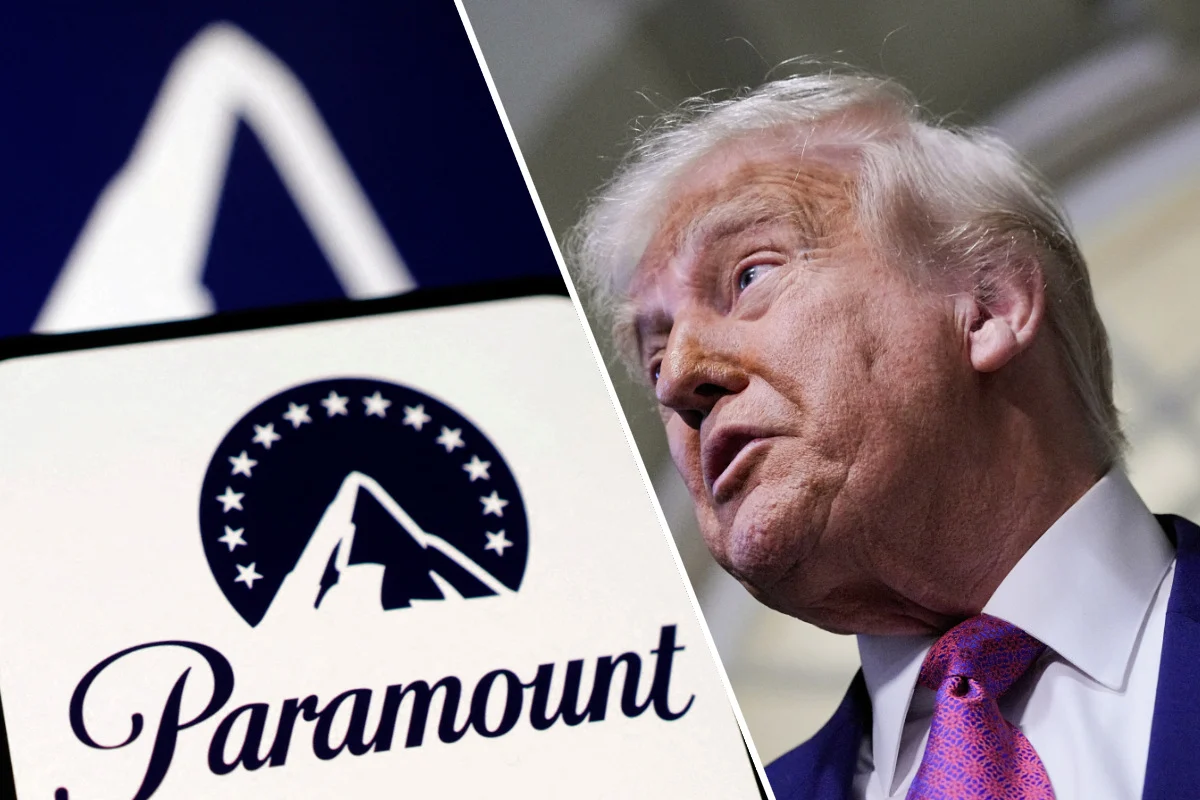
Sadly, the alternative, Paramount and Skydance acquiring WBD, was always far worse. Catastrophic, even. And given the state of America and the world right now, we probably should have known that we were not going to catch a break right now.
With Skydance succeeding, the Ellison family effectively controls:
Paramount, Warner Bros., CBS, CNN, HBO, Nickelodeon, MTV, Comedy Central, DC Studios, Cartoon Network, TNT Sports, New Line Cinema, and even Fandango. Not only that, but they also have an increasing influence over TikTok.
It is not hyperbole to call this one of the most dangerous media consolidations in U.S. history, a single family, with openly stated political alliances and ideological goals, gaining unprecedented control over both entertainment culture and news distribution. This is exactly the scenario antitrust laws were built to prevent.
David Ellison, who runs Skydance, is the son of Larry Ellison — one of the richest men alive and a proud, vocal Trump ally. And the influence isn’t subtle anymore.
Under Skydance ownership, even CBS News has already shifted right, implementing programming changes designed to appease Trump’s circle. They appointed conservative overseers, aired full, unedited political interviews on command, and began talks with executives who argue the mainstream press is inherently biased against conservatives.
This isn’t speculation, it’s documented newsroom policy change.
Skydance is not shy about this agenda. They describe it as “speaking to the 70% in the middle.” But the people they’re hiring, promoting, and consulting with describe the media as “reflexively anti-Trump.”
Political Power is Already Being Leveraged, Before a Deal is Even Done
The situation becomes outright chilling when you factor in the White House involvement. Senior officials reportedly discussed programming changes at CNN with Larry Ellison, including the possibility of firing on-air talent Trump dislikes and replacing them with names approved by his political circle.
Think about that: A potential buyer of CNN allegedly discussing which journalists to fire with the presidential administration.
This is not just consolidation; this is political capture of journalism.
And that’s before considering the financing. According to SEC filings, the deal involves Saudi, Qatari, and Emirati sovereign wealth funds, plus Jared Kushner’s Affinity Partners, all promising to “forgo governance rights” only to avoid national-security scrutiny. That’s not reassuring. That’s a red flag.
PLEASE CONSIDER DONATING!
If you’ve found value in our writing and want to support it, we are accepting donations starting at just $1. Unfortunately, display ads generate very little revenue, and we are unable to monetize our work in any meaningful way. At the moment, reader support is the only way this work can be financially sustained. Even a dollar helps keep this sustainable and allows us to do something about it.
As the bid succeeds, several of America’s largest news outlets and film studios will now be partially financed by ultra-authoritarian governments and a political dynasty aligned with Trumpism.
When you lay it all out, calling it “concerning” feels laughably insufficient. It’s downright dangerous and frankly terrifying for the media landscape and the flow of information in the country as we know it.