
As if we all have not been so sick and tired of seeing AI everywhere, an AI-generated artist named Sienna Rose has quietly slipped into the mainstream, with not one but three of its songs featuring on Spotify’s Top 50. Sienna Rose remains virtually invisible as an artist, with no online presence whatsoever. It does not have an Instagram or Twitter account, no public-facing identity, and YouTube comments are disabled on every track.
Sienna Rose has over 2.6 million monthly Spotify listeners, a larger audience than the breakout indie act from New York, Geese, and Cameron Winter is practically everywhere. Meanwhile, IT does not have a Bandcamp profile, there are no live gigs listed under its name, and it does not have a life outside these major streaming platforms.
Of course, to no one’s surprise, the music itself is deliberately generic and algorithm-friendly, widely speculated to be trained on the vocal style and musical beats of Olivia Dean.
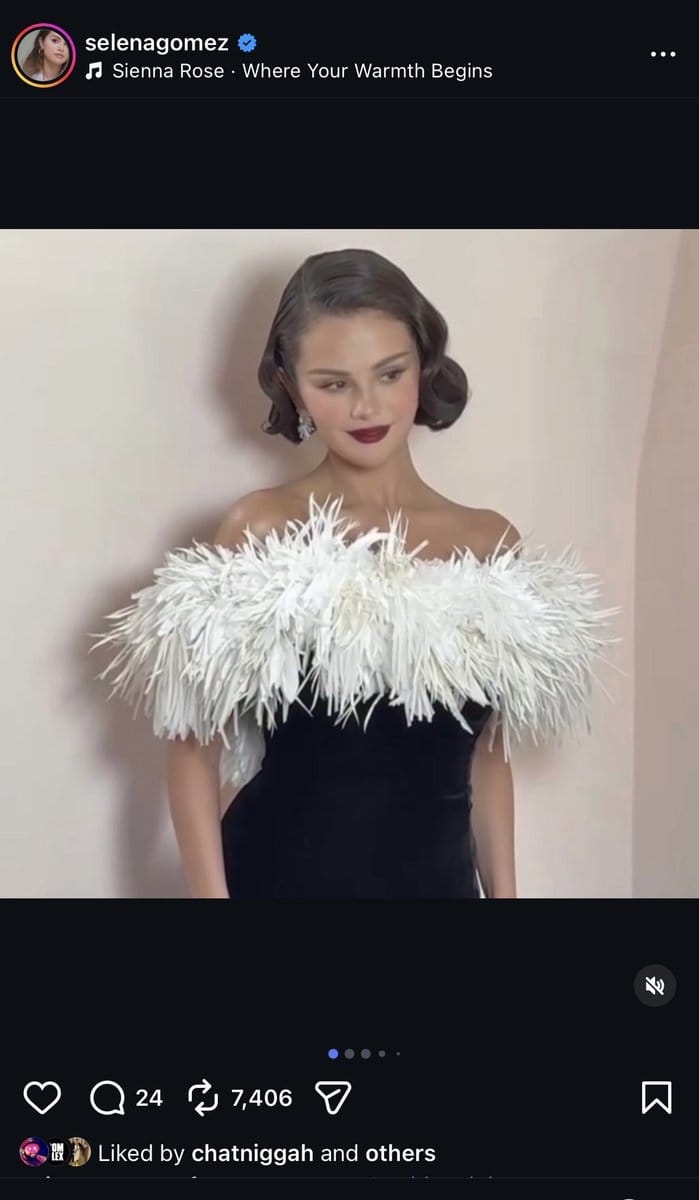
Among the 2.6 million listeners who are oblivious to the fact that this is AI is also pop star Selena Gomez, who shared one of Sienna Rose’s songs on her Golden Globes Instagram post, unintentionally giving an AI-created artist’s catalogue a platform and visibility.

It seems like Spotify is always surrounded by controversies these days, just a couple of months ago a King Gizzard & the Lizard Wizard AI knockoff act calling itself King Lizard Wizard suddenly emerged on the platform after the rock band from down under pulled their entire catalogue from the streaming service in protest of CEO Daniel Ek, who is busy pouring the money he makes from Spotify into an AI-driven military tech company Helsing (Ek is the chairman of the company and owns the majority stake through his investment firm, Prima Materia).
The knockoff act featured AI-generated psych-rock tracks, identical song titles, and artwork that kinda looked like a cheap fever-dream mimicry of the band’s signature album covers.
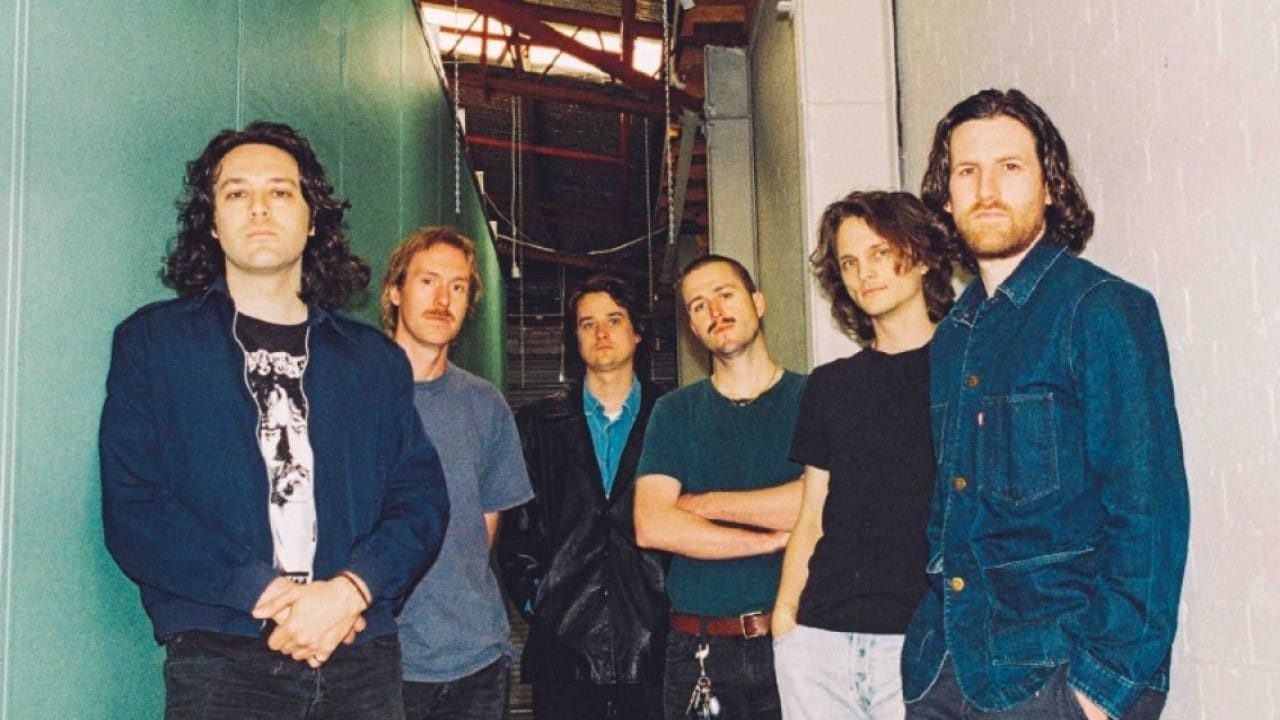
To no one’s surprise except maybe Spotify’s, the whole thing was an impersonation scam that even made it to the latest Spotify Release Radar roundup. What’s more, the song was called “Rattlesnake” and was eerily similar to the real King Gizz’s 2016 track of the same name, right down to the lyrics.
The company eventually removed the fake band, insisting it “strictly prohibits any form of artist impersonation” and that no royalties were paid out. But it certainly is worrying how easily these fake AI artists can make their way onto the biggest streaming service there is, and Spotify did not even do anything until the fans and the band itself pointed out the existence of the fake band.
King Gizzard frontman Stu Mackenzie summed it up in his statement: “[I’m] trying to see the irony in this situation. But seriously w%f we are truly doomed.”
All these big tech companies that own the majority of the marketplace continue to push for an ecosystem that is completely depedent on digital media and streaming. We do not own anything anymore, and the streaming ecosystem and the internet is rapidly being flooded with AI-generated soundalikes, clones, and pseudo-artists engineered to exploit payouts while piggybacking on the aesthetics of real musicians.
What is disgustingly funny about all of this is that the streaming giant, which itself admitted to removing 75 million AI-made tracks last year, is gearing up to charge you an extra buck for their services, with their latest price hike expected to hit sometime in Q1 this year. It would be Spotify’s first U.S. hike since July 2024, but globally the company has been quietly nudging prices upward across Europe, Africa, and Asia throughout the year.
Projections from JP Morgan analysts suggest that tacking on just one extra dollar per month could net the company an additional $500 million annually. That’s another half a billion dollars to probably fund Ek’s military venture, while its users continue to be confused between “King Gizzard and the Lizard Wizard” and “King Lizard Wizard.”